
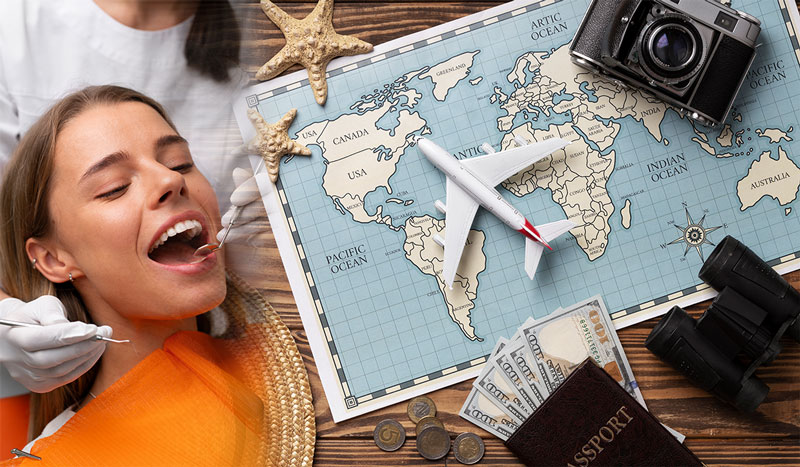
In recent years, some patients have explored getting dental work performed overseas, often referred to as dental tourism. Countries, such as India, Mexico, and other parts of the world, are frequently mentioned due to significantly lower treatment costs compared to the United States.
While cost savings can be appealing, deciding to travel abroad for dental care is not a decision to make lightly. We’ll break down many of the key factors patients should consider, the potential risks and benefits involved, and why consulting with a trusted local provider, like Ellicott Mills Dental, is an essential first step.
Why Patients Consider Dental Work Overseas
The primary driver of dental tourism is cost. Procedures such as dental implants, crowns, veneers, and full-mouth restorations can sometimes cost 50–70% less in countries overseas. (Though this can vary widely by the procedure, country, or clinic you choose)
For patients without dental insurance, or those facing major restorative work, these savings can feel life-changing. However, lower upfront costs do not always reflect the total cost of care when traveling; accommodations, recovery time, and potential follow-up treatment need to be factored in.
Key Risks and Challenges to Consider
Before committing to dental treatment overseas, patients should understand and carefully weigh the following risks:
Variability in Standards of Care
In some cases, overseas dentists are well-trained and may have studied or practiced internationally. That said, quality and safety can vary significantly between providers, even within the same clinic. What is considered “standard practice” in the U.S. may not apply elsewhere and enforcement of any standards can vary greatly.
Water Quality
Different countries have varying standards for water quality and dental unit waterline maintenance. While many clinics meet high standards, exposure to unfamiliar bacteria may increase infection risk for some patients, particularly if sterilization protocols are inconsistent.
(How many times have you traveled abroad only to be told to not drink the water and brush your teeth with bottled water)
Implant Systems & Components
Unlike crowns or fillings, implants integrate directly with the jawbone making precision, materials, and follow-up care especially critical. Not all implant systems used internationally are commonly supported in the U.S. If an implant fails or requires maintenance, replacement options may be difficult, or impossible, to source locally.
Bone Health & Diagnostics
Many procedures, including implants, rely heavily on bone density, volume, and proper imaging. Inadequate diagnostics or rushed treatment timelines can increase failure risk.
Follow-Up and Continuity of Care
Many dental procedures require follow-up visits, adjustments, or long-term monitoring. If issues develop after returning home, local dentists may be limited in what we can repair without redoing the work entirely.
Travel-Related Health Risks
Long flights shortly after dental surgery can increase discomfort and, in some cases, may elevate the risk of circulation-related complications such as blood clots, particularly when sitting for extended periods. Patients should allow adequate recovery time and follow medical guidance before traveling.
Insurance Risks
Most dental insurance plans offer limited or no coverage for non-emergency procedures performed overseas. Having procedures done abroad can have an impact on what is covered domestically with your insurance.
Limited Legal Recourse
If complications do arise, legal protections and malpractice laws may be very different or difficult to access from abroad.
How to Evaluate Quality of Care Overseas
Before committing to dental work abroad, due diligence is essential:
- Research the dentist and the clinic credentials thoroughly
- Look for internationally recognized training, certifications, and professional affiliations
- Ask about materials and labs used. The longevity of crowns, implants, and bridges depends heavily on materials and lab standards
- Confirm sterilization and safety protocols
Why an Initial Evaluation Matters: Before You Travel
One of the most overlooked steps in dental tourism is the initial evaluation.
A comprehensive exam, including X-rays, periodontal assessment, and bite analysis, helps determine whether overseas treatment is even appropriate.
This is where Ellicott Mills Dental plays a critical role.
Our team can:
- Review your dental condition and treatment options
- Explain which procedures may carry higher risk if done abroad
- Help you understand long-term maintenance and follow-up needs
Even if a patient ultimately chooses care overseas, an informed decision reduces surprises and long-term complications.
The Hidden Cost of “Saving Money”
While overseas dental care may appear less expensive upfront, complications, repairs, or redo work can quickly outweigh initial savings. In some cases, U.S. dentists are limited in their ability to correct failed overseas work. This can mean undoing previous treatment before repairs can be made.
The Hidden Cost of “Saving Money”
Dental work is not just cosmetic, it affects your health, comfort, and quality of life. If you are considering dental treatment overseas, the most important step you can take is to consult with a trusted local professional first.
At Ellicott Mills Dental, we believe informed patients make the best decisions. Nobody wants to spend more than they have to on dental care. However, there are both known and unknown risks associated with dental tourism that should be carefully considered.
We are here to help you understand your options, evaluate risks, and protect your long-term oral health. Schedule a consultation with our team before making your decision, your smile deserves careful consideration.